
Behind the Scenes at Anivive · from Michelle
Dylan's March Madness
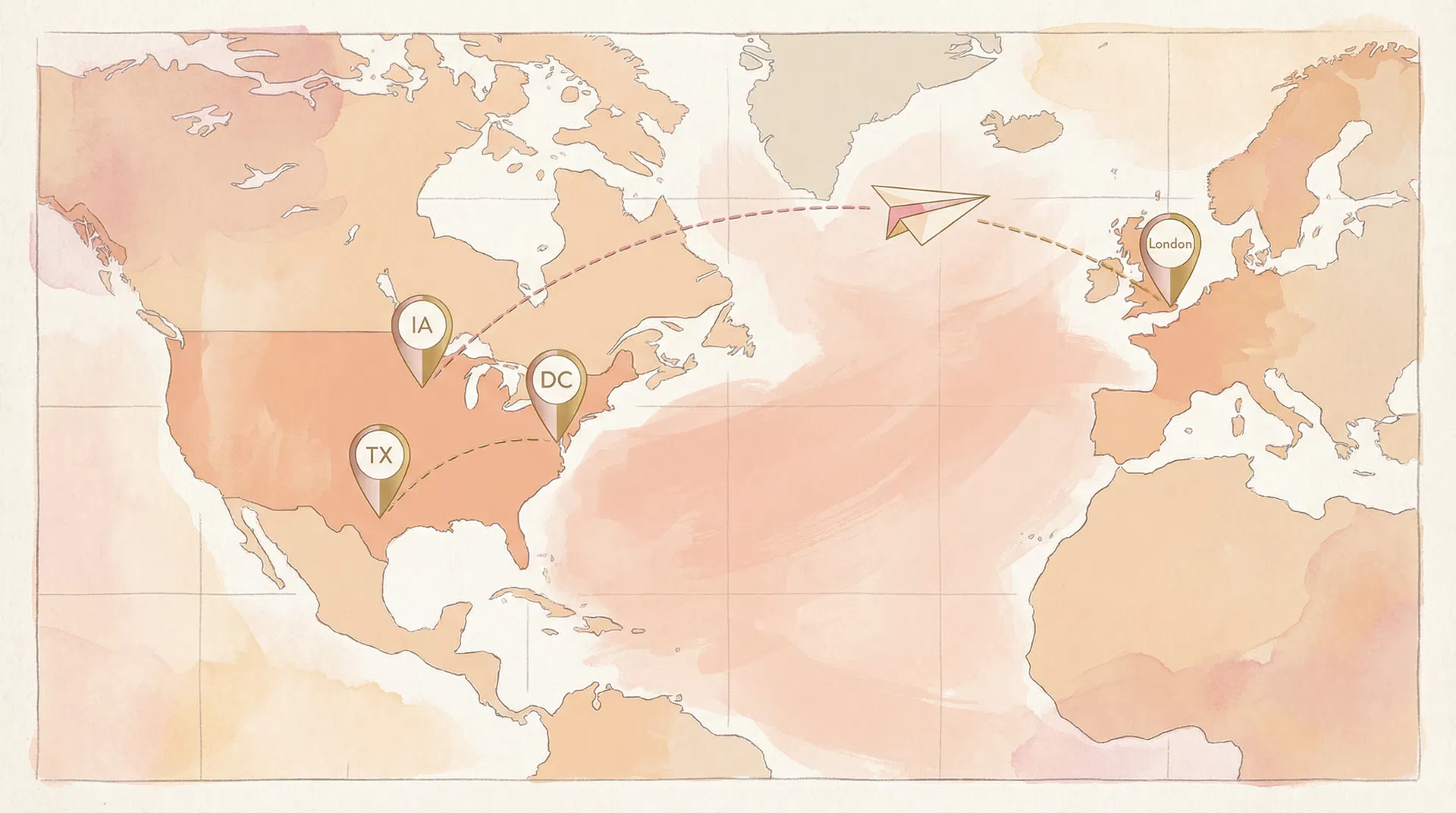
If you have been wondering why Dylan has been especially hard to pin down this month, there is a reason: March was a blur of planes, meetings, regulatory pressure, partnership work, and manufacturing progress.
From where I sit, this month was a clear example of how much of Anivive's progress happens behind the scenes, long before most people see the result publicly.
The short version
March was about pushing forward four things at once:
- ● Laverdia and partner alignment
- ● Texas manufacturing and Valley Fever readiness
- ● Federal visibility and support
- ● USDA review momentum across seven submissions
Or said more simply: March was about removing bottlenecks.
London
Laverdia and long-term alignment
The month started in London, where Dylan was focused on Laverdia and broader strategic discussions with Dechra leadership and corporate finance.
Behind the scenes, Dylan shared a confidential proposal aimed at creating better long-term alignment around Laverdia. I am not going to get into the specifics here.
The discussion also went beyond a routine partner update and reflected interest not only in Laverdia, but in the broader Anivive platform, including the software and operating infrastructure we have been building.
Why that mattered:
- ● Laverdia remains an important asset for Anivive
- ● The Dechra relationship matters strategically
- ● The discussion extended beyond a single product and reflected interest in the broader Anivive platform
- ● Part of March was spent trying to create a cleaner long-term setup around the program
A lot of company-building happens before anything is announced publicly. Sometimes it is not about a press release. It is about getting in the room, putting real options on the table, and working toward a structure that better supports what comes next.
That was a big part of London.
Texas
Kemin, equipment move-in, and making College Station real
From there, the focus shifted to Texas.
This part of the month was about two parallel efforts:
- ● Advancing Kemin partnership discussions around Valley Fever
- ● Continuing equipment move-in and operational build-out at the College Station facility
This is one of those areas where the work is easy to underestimate if you only look at the headlines later.
The Texas facility is not just more space. It is part of a broader effort to:
- ● Reduce manufacturing risk
- ● Increase control over critical operations
- ● Strengthen U.S.-based capability
- ● Support the Valley Fever vaccine path more directly
From the inside, Texas felt like one of the clearest examples this month of Anivive moving from plan to physical execution.
Washington, D.C.
Making the case beyond Anivive
After Texas came Washington, D.C.
The purpose of that trip was broader than a single meeting. Dylan went to:
- ● Engage with the Deputy Secretary of Agriculture
- ● Extend an invitation to the opening of the Texas facility
- ● Continue making the case that Valley Fever matters
- ● Reinforce the importance of onshored U.S. manufacturing
- ● Underscore why regulatory attention and resourcing matter
This was not just advocacy for Anivive as a company. It was also advocacy for the idea that:
- ● Valley Fever is a serious and growing animal-health issue
- ● Manufacturing capability in the U.S. matters
- ● Programs like this deserve attention before they become too-late problems
A lot of leadership work is helping institutions understand why something deserves urgency. D.C. was part of that.
Iowa
Reviewer time, reviewer attention, reviewer time again
And then this week: Iowa.
Dylan met with Dr. Geetha Raghavan and the CVB team to push for more reviewer time and attention across seven active Valley Fever submissions.
That may sound procedural, but it is actually a major part of execution at this stage. Because once submissions are in, progress depends on more than science alone. It also depends on:
- ● Agency bandwidth
- ● Review prioritization
- ● Responsiveness
- ● Continued alignment
So this week in Iowa was about helping keep those packages moving.
Sometimes progress comes from a breakthrough experiment. Sometimes it comes from sitting down with the right people and making sure a stack of submissions gets the reviewer time it needs.
This week was the second kind.
What ties all of this together
When I look back on March, I do not see four separate trips.
I see one consistent theme: March was about clearing the path.
- ● London was about partner alignment
- ● Texas was about manufacturing readiness
- ● D.C. was about federal alignment
- ● Iowa was about regulatory throughput
Each stop addressed a different constraint. Together, they moved the same mission forward.
Behind-the-scenes takeaway
What people often miss about a month like this is that none of these efforts lives in isolation.
The Laverdia work matters because partner structure and focus matter.
The Texas build-out matters because the Valley Fever program cannot depend only on outside capacity forever.
The federal conversations matter because important programs do not move faster just because they are important. People still need to understand why they matter.
And the Iowa meetings matter because submissions only create value when they get reviewed.
That is what March looked like behind the scenes.
A lot of miles. A lot of hard conversations. A lot of pressure on the things that matter most.
And, hopefully, a meaningful amount of bottleneck removal.
In one sentence:
Dylan's March madness was not chaos for the sake of chaos. It was targeted pressure on the handful of constraints most likely to determine what happens next for Anivive.
— Michelle